What is Congestion Pricing
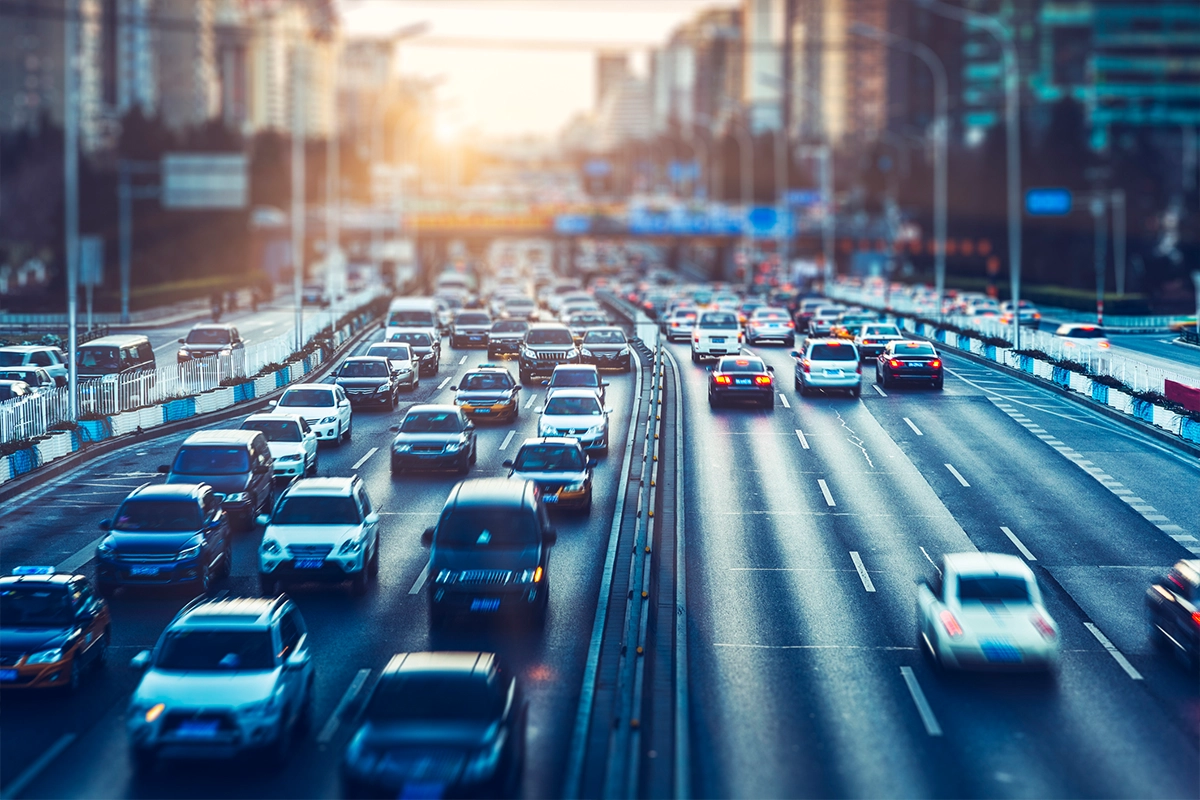
Congestion pricing is a travel demand management strategy that imposes fees on vehicles entering certain city areas during peak periods. This method aims to reduce traffic volumes and distribute vehicle trips more evenly throughout the day. London introduced its congestion charge zone in 2003, cutting Central London traffic by roughly 15% within the first year. Singapore’s Electronic Road Pricing system, established in 1998, dynamically adjusts tolls based on real-time traffic, showcasing the method’s evolution.
The premise is simple: by making driving costlier during busy periods, some drivers reconsider their route, mode, or travel time.
Urban centers often see 30-50% peak-hour traffic reduction when prices are set appropriately.
Such reductions don't just decrease congestion but improve air quality and transit reliability simultaneously.
Misconceptions and Issues
Many assume congestion pricing solely penalizes drivers, but it influences a whole ecosystem of urban mobility. A frequent error is underestimating the complexity of traffic rerouting effects—vehicles don't disappear, they often spill into adjacent untolled areas.
Traffic diverting to side streets brings new challenges: increased noise and risk of accidents in quieter neighborhoods. If pricing schemes lack adequate public transit alternatives, they risk disproportionately burdening lower-income drivers who cannot afford daily fees or flexible schedules.
Ignoring these factors causes political backlash and implementation setbacks. Misjudged price levels either fall short of reducing traffic or spark too much pushback.
Some cities face increased freight delivery costs, which ripple into higher goods prices citywide.
How to Maximize Impact
Set Variable Toll Rates
Charging different prices by time of day or congestion level optimizes volume control. Singapore’s ERP system uses automated gantries and GPS tracking to raise tolls up to 80% during rush hours, easing bottlenecks without overcharging off-peak travelers.
Enhance Public Transit Options
Using congestion charge revenues to upgrade buses and subways makes transit a viable alternative. Stockholm invested in cleaner buses and added service hours post-2010 charge introduction, resulting in a 20% boost in transit ridership.
Promote Carpooling and Rideshare Credits
Providing discounts or exemptions for vehicles with multiple passengers incentivizes shared mobility. New York’s planned congestion pricing contemplates carpool lanes and reduced fees for vehicles with 3+ occupants to reduce single occupancy trips.
Integrate Technology for Enforcement and Feedback
Automatic number plate recognition cameras and mobile apps enable efficient fee collection and allow users to monitor charges in real time. San Francisco offers a parking and congestion app prototype that reports fees, traffic speed, and alternative options—all in version 1.3.2.
Phase-in Pricing Gradually
Starting at low rates and increasing incrementally allows public adaptation. London's scheme began at £5/day and now charges £15, maintaining political acceptability and reducing sudden economic shocks.
Design Exemptions Thoughtfully
Limited waivers for emergency vehicles, residents within the zone, or income-qualified drivers balance fairness. Stockholm’s system exempts electric, disabled-access, and healthcare vehicles while applying means-tested discounts.
Address Freight and Delivery Efficiency
Encouraging off-peak deliveries and consolidating shipments mitigates cost burdens on goods transport. London introduced delivery consolidation centers reducing truck trips by 30% inside the congestion zone.
Use Data Analytics Continuously
Monitoring traffic volumes, air quality, and travel behavior enables adjustments. New York City’s Department of Transportation publishes monthly congestion charge impact reports highlighting traffic shifts and revenue distribution data.
Real-World Examples
Sydney faced protests when proposing a flat congestion fee but reversed course, adopting a peak-time variable pricing system in 2023. After six months, peak congestion dropped 12%, and bus ridership rose 9%. Their incremental rate approach avoided the widespread backlash seen in earlier plans.
Stockholm’s 2006 trial implemented a seven-month congestion charge, cutting car traffic by 20% and CO2 emissions by 14%. Commuters adjusted routes or switched modes without major employment shifts, confirming preparation and communication as vital.
Weighing Benefits and Drawbacks
| Aspect | Pros | Cons | Trade-off |
|---|---|---|---|
| Traffic Volume | Reduces by 10-30% | Some spillover to side streets | Improves flow central core |
| Public Transit | Ridership grows 15-25% | Needs upfront investment | Better service quality |
| Environmental Impact | Emissions drop 10-20% | None immediate if no transit upgrades | Cleaner air downtown |
| Equity | Funds social transportation | Disadvantages low-income drivers | Requires mitigating policies |
Mistakes to Avoid
Launching congestion pricing without sufficient public education dooms acceptance. In 2017, a mid-sized American city suffered backlash due to inadequate outreach; confusion about fee structures caused low compliance, forcing costly revisions.
Failing to improve transit options, even with high toll rates, shifts the problem instead of solving it. Drivers unwilling or unable to switch to buses experience financial strain and may avoid tolled zones poorly, leading to neighborhood congestion.
Setting flat fees instead of dynamic rates ignores traffic volatility, resulting in overcrowded off-peak hours and undercharged peak times. The oversimplification sacrifices effectiveness for ease, which rarely justifies the trade-off.
Finally, neglecting continuous monitoring stalls optimization opportunity. Many cities drop data after launch, missing trends that signal needed adjustments.
FAQ
What is congestion pricing?
Congestion pricing charges drivers a fee for using busy urban roads during peak hours to reduce traffic and pollution.
Does it really reduce traffic?
Studies show 10-30% traffic reduction in toll zones, but effects depend on pricing levels and local transit alternatives.
Who pays congestion charges?
Typically, drivers entering designated zones during toll periods, although exemptions and discounts may apply.
How do cities spend collected fees?
Revenues often fund public transit improvements, road maintenance, and environmental initiatives.
Are there equity concerns?
Yes, lower-income drivers may be disproportionately affected without mitigation programs or affordable transit.
Author's Insight
From my experience managing urban transportation projects, congestion pricing isn’t a simple toll - it reshapes daily life for thousands. Setting dynamic rates that reflect real-time conditions proved more effective than flat fees, even if harder to explain publicly. Transit investment must accompany pricing, or public backlash grows. Patience matters—behavioral change builds slowly. Data drives adaptation, and ignoring it risks repeating mistakes.
Summary
Congestion pricing reduces peak urban traffic and emissions by encouraging smarter travel choices. Success depends on variable rates, transit upgrades, and clear communication. Cities must address spillover and equity challenges with complementary policies. Gradual implementation combined with ongoing data review improves outcomes and public acceptance. Ultimately, pricing shapes city mobility toward sustainability—but only with thoughtful design and community involvement.