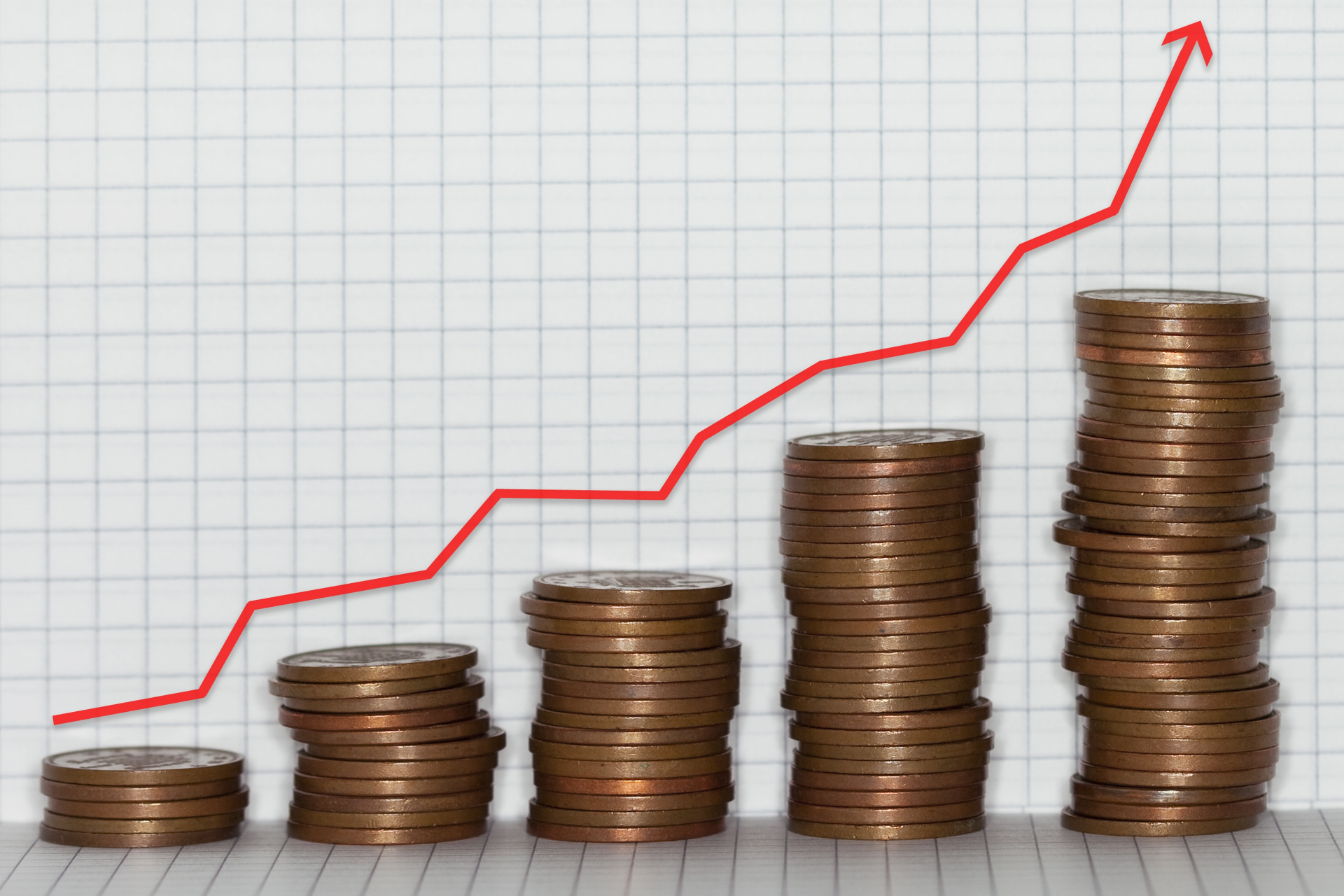
Inflation Keeps Rising
Inflation moves in waves, not straight lines. In the Eurozone, headline inflation peaked above 10% in late 2022 before cooling closer to 2–3% in later readings from the European Central Bank. That drop did not reverse earlier price jumps, it only slowed the pace of new increases.
Prices rarely return to where they started. A €100 grocery basket that climbed to €118 during high inflation periods does not slide back afterward. It stabilizes at the higher level. Then it moves again.
That stickiness shapes expectations. People adjust faster than policymakers sometimes expect. One hike feels temporary. Three in a row feels structural.
Inflation changes habits quietly.
Energy, rent, and food form the core pressure points. In Germany, rent growth in major cities has stayed above wage growth in several years, according to Destatis data. That gap compounds slowly, then suddenly becomes visible in monthly budgets.
Skip the waiting game. Prices do not wait.
Why Basket Costs More
Most people notice inflation first at checkout counters, not in economic reports. A €50 grocery run becomes €62 without obvious upgrades in what ends up in the bag.
Supply chains play a role, but not the only one. Transport costs, wage adjustments, and energy inputs feed into every product layer. A single increase in diesel prices can ripple through logistics within weeks.
Small changes stack quickly.
Food producers adjust pricing gradually to avoid shocking demand. Instead of one large jump, prices move in repeated small steps. That creates the feeling that nothing is happening, until it already has.
Wages also react with delay. In many European economies, collective bargaining agreements adjust annually or even less frequently. Prices move first. Pay follows later. That gap matters.
Ignore timing. It distorts perception.
Monetary policy adds another layer. When central banks raise interest rates, borrowing slows. But contracts already signed continue pushing costs through the system for months.
Inflation lingers in those delays.
What Slows Inflation
Central banks influence inflation mostly through interest rates. The European Central Bank raised rates aggressively in 2022–2023, pushing refinancing costs higher and cooling demand across housing and credit markets.
Higher borrowing costs reduce spending on big-ticket items. Fewer car loans, slower construction, delayed expansion plans. That softens price pressure over time rather than instantly.
Time does most of the work.
Energy stabilization also matters. When gas prices normalize after supply shocks, headline inflation drops quickly. That happened after 2022 peaks when storage levels improved and alternative supply routes expanded.
Supply chain recovery plays a quieter role. Shipping delays that once stretched 80 days on major routes returned closer to historical averages near 30–40 days, reducing input volatility.
Do not expect symmetry. Inflation rises faster than it falls.
Wage moderation can also slow inflation, though it carries social tension. When wage growth aligns more closely with productivity rather than price spikes, second-round inflation effects weaken.
Interest Rate Pressure
Higher rates reduce borrowing demand. That cools spending in housing and durable goods.
Mortgage approvals drop. Corporate expansion slows. Credit card balances shrink at the margin.
Money moves slower.
Energy Stabilization
Energy prices feed directly into transport and production costs. When gas and electricity stabilize, inflation pressure eases quickly.
Europe saw this after storage diversification and LNG imports increased supply security.
Volatility matters more than level.
Wage Adjustment Lag
Wages respond slower than prices. That delay reduces immediate inflation feedback loops.
Over time, collective bargaining catches up, but unevenly across sectors.
Timing mismatch shapes outcomes.
Supply Chain Normalization
Logistics disruptions amplify inflation. When shipping stabilizes, input costs smooth out across industries.
Retailers adjust pricing less frequently in stable environments.
Predictability lowers spikes.
Demand Cooling
When consumers cut spending, retailers lose pricing power. Discounting returns in competitive sectors like electronics and apparel.
That shift reduces headline inflation without dramatic policy moves.
Demand sets the ceiling.
Real Cases From Markets
Germany’s energy shock period offers a clear example. Household electricity prices rose by more than 30% in some contracts during peak volatility in 2022, then partially retreated as subsidies and supply diversification kicked in. The net level remained higher than pre-shock averages.
Food pricing followed a similar path. Large supermarket chains adjusted staple goods like milk and bread multiple times within a single year, often in increments of 5–10%. Consumers perceived constant movement rather than one-time jumps.
Stability arrived slowly.
In the United States, the Federal Reserve’s rapid rate hikes pushed mortgage rates above 7% in 2023, freezing parts of the housing market. That cooling effect reduced price acceleration rather than reversing home values outright.
Different regions, same mechanism. Demand reacts to cost of money.
Inflation does not move alone.
Inflation Pressure View
| Factor | Direction | Lag | Impact |
|---|---|---|---|
| Interest Rates | Up | 6-18 mo | Demand down |
| Energy | Volatile | Weeks | Price swings |
| Wages | Lagging | 12 mo | Catch-up effect |
| Supply Chain | Improving | 3-6 mo | Stabilization |
Common Inflation Mistakes
People often assume inflation is uniform. It is not. Housing, food, and services move on different timelines, driven by different inputs. That mismatch creates confusion in personal budgeting.
Another mistake is focusing only on headline CPI numbers. A 3% average hides the fact that some categories rise 6% while others fall or stabilize. The average smooths reality.
Ignore averages. Watch categories.
People also delay adjusting spending habits. They wait for confirmation that inflation is “real” instead of reacting to persistent price changes already visible in their own receipts.
Credit reliance increases during inflation spikes. That amplifies vulnerability because interest payments rise at the same time prices do.
Debt becomes heavier in silence.
FAQ
Why does inflation not reverse prices?
Because businesses rarely reduce nominal prices unless demand collapses. Instead, they slow increases and stabilize at higher levels.
Does raising interest rates stop inflation quickly?
No. Rate hikes work with delays of months or years as borrowing and spending gradually adjust.
Why do groceries rise faster than wages?
Food prices react quickly to energy, transport, and supply costs, while wages adjust on fixed cycles like annual contracts.
Is inflation always caused by too much money?
Not always. Supply shocks, energy constraints, and logistics disruptions can also drive price increases.
Can inflation go back to zero?
It can approach zero, but most central banks target low positive inflation to avoid stagnation risks.
Author's Insight
I have watched inflation cycles move through headlines and into daily habits. The pattern rarely feels dramatic at first. Then it shows up in small receipts, repeated over weeks, until it becomes normal.
The most useful shift I have seen is not prediction but awareness of categories. Once people track where inflation actually hits their budget, reactions become less emotional and more tactical.
Prices do not move evenly. Neither should attention.
Summary
Inflation rises through a mix of demand pressure, supply constraints, and delayed adjustments in wages and policy. It slows when interest rates rise, energy stabilizes, and spending cools, but it rarely reverses earlier increases.
Understanding the timing gaps between prices, wages, and policy helps explain why everyday costs keep climbing even after headline inflation falls. Watch the details, not just the average.