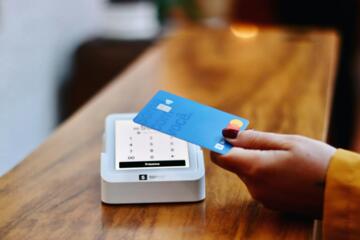
Cash Use Declines Rapidly
Physical currency used to dominate retail and personal payments. Today, in advanced economies, the share of cash transactions falls steadily. The Federal Reserve reported cash payments accounted for just 19% of all transactions in 2022, compared to 32% in 2017. Even smaller purchases, once nearly always cash, now lean toward cards or mobile apps like Apple Pay or Google Wallet. Travelers in Japan, historically cash-heavy, encounter many establishments that refuse cash altogether.
Many routine payments—coffee, groceries, transit fares—are now tapped or scanned. Many are unaware of how much cash remains in their wallet. It is vanishing slowly.
Common Misconceptions
Believing cash will disappear anytime soon misses the nuances. Not everyone can or wants to switch digital fully. Around 26 million U.S. adults remain unbanked or underbanked, relying primarily on cash. Merchants who insist on digital payments alienate these customers. Less obvious is the economic impact: when cash disappears, informal, small-scale trades face hurdles. A farmer’s market vendor or gig worker may find their world suddenly more complex.
Cash’s durability in crises is another factor often ignored. Power outages, bank outages, or internet disruptions can render digital payments unusable. Cash remains an offline fallback, often irreplaceable—hence no total disappearance sooner than maybe decades from now.
Practical Steps to Adapt
Use Multi-Channel Payment Options
Relying on one payment form limits flexibility. Accept cards, mobile wallets, and cash when possible. Square’s Point of Sale system, version 7.32, supports contactless payments and cash to cover broad demographics in a store. Offering options increases sales and customer satisfaction.
Adopt Contactless Technology
Tap-to-pay cards and NFC apps speed transactions and reduce handling cash. They reduce wait times and boost hygiene. Starbucks reported nearly 30% of transactions went contactless by mid-2023, leading to 15% faster service during peak hours.
Educate Customers on Digital Payment Security
Concerns about fraud slow adoption. Explaining two-factor authentication and tokenization helps. Share resources from trusted sites like the FTC. Clear communication encourages hesitant demographics.
Create Cashless Loyalty Programs
Encourage customers to register digital wallets for rewards. This can increase repeat visits by up to 20%, according to a 2023 Nielsen study. Personalized offers push digital use while maintaining engagement.
Plan for Cash Handling Costs
Though declining, cash requires secure storage, counting, and transit. Banks charge fees, and internal labor time matters. Calculate these costs versus digital fees from providers like Stripe, which charges around 2.9% per transaction. A business saved $4,000 yearly switching 75% of cash payments to digital.
Support Access for Unbanked Customers
Offer prepaid cards or cash-to-wallet converters like Green Dot. This widens your customer base and prevents exclusion. Businesses in rural areas saw a 12% sales uptick by catering to unbanked customers digitally via these tools.
Prepare for Offline Digital Failures
Install backup options: tokenized offline cards or mobile payment apps that can store offline credentials. Transit systems in London use oyster cards as digital cash stands-in; they work offline when servers glitch.
Monitor Regulatory Changes
New laws may affect cash use. Some countries, like Sweden, promote cashless while others require cash acceptance by law. Staying informed avoids fines and business interruptions.
Track Transaction Data for Insights
Digital payments provide analytics unavailable with cash. Use tools like QuickBooks Online for real-time insights into customer spending patterns to tailor products and marketing.
Real-World Transitions
A U.S. coffee chain, serving 15,000 daily customers, noted 70% digital payment use in 2023. They introduced prepaid cards and mobile ordering simultaneously. This lowered cash handling by 40% and improved line speed from 3.2 to 2.1 minutes.
In contrast, a small rural retailer in Nebraska maintained cash acceptance but added mobile POS terminals. They discovered 35% of locals couldn’t adopt digital payments due to connectivity issues, which, frankly, most tech providers don’t flag upfront.
Side-By-Side Payment Analysis
| Method | Speed | Access | Cost |
|---|---|---|---|
| Cash | Slow | Universal | Handling fees |
| Credit/Debit | Fast | Most users | 2-3% fee |
| Mobile Wallets | Very fast | Growing | Low-medium fees |
| Prepaid Cards | Fast | Unbanked users | Variable fees |
Frequent Errors and Fixes
Ignoring customer segments blocked from digital payment frustrates them and costs sales. Account for all users before cutting cash. Not training staff on new devices causes slow service and errors; invest time in training sessions with real test transactions. Overlooking backup payment modes leads to service gaps during outages. Develop simple fallback plans. Relying on a single payment provider risks downtime; diversify choices or have hot-swappable hardware ready. All these shortcomings add hidden risks; they slow adaptation.
FAQ
Why is cash use declining?
Digital payments offer speed, tracking, and convenience, leading consumers and businesses to prefer cards and mobile wallets over cash.
Does cash still have advantages?
Cash works without electricity or internet and is accessible to unbanked populations, making it vital in some settings.
Can businesses operate cashless everywhere?
Not yet. Many customers rely solely on cash, and some laws require cash acceptance, so a fully cashless model isn’t always feasible.
Are digital payments more expensive?
Digital transactions often incur fees around 2-3%, but cash handling includes hidden labor and security costs.
How do I help unbanked customers?
Offer prepaid card options or cash-to-digital conversion services to maintain inclusivity.
Author's Insight
Working in retail tech for over a decade showed me cash’s retreat firsthand. Businesses often underestimate how diverse their payment needs are. A year ago, I witnessed a store lose customers after removing all cash options too quickly. Backup plans matter a lot. Digital payments bring clear benefits, but practical steps and thoughtful pacing prevent alienating customers.
Summary
Cash shrinks in daily use but remains around longer than many expect. Adapting means mixing payments thoughtfully, catering to diverse users, and preparing for failures. Digital payments speed transactions and yield rich data, but cash still anchors many communities. Move forward methodically, including all customers to thrive as cash fades.